

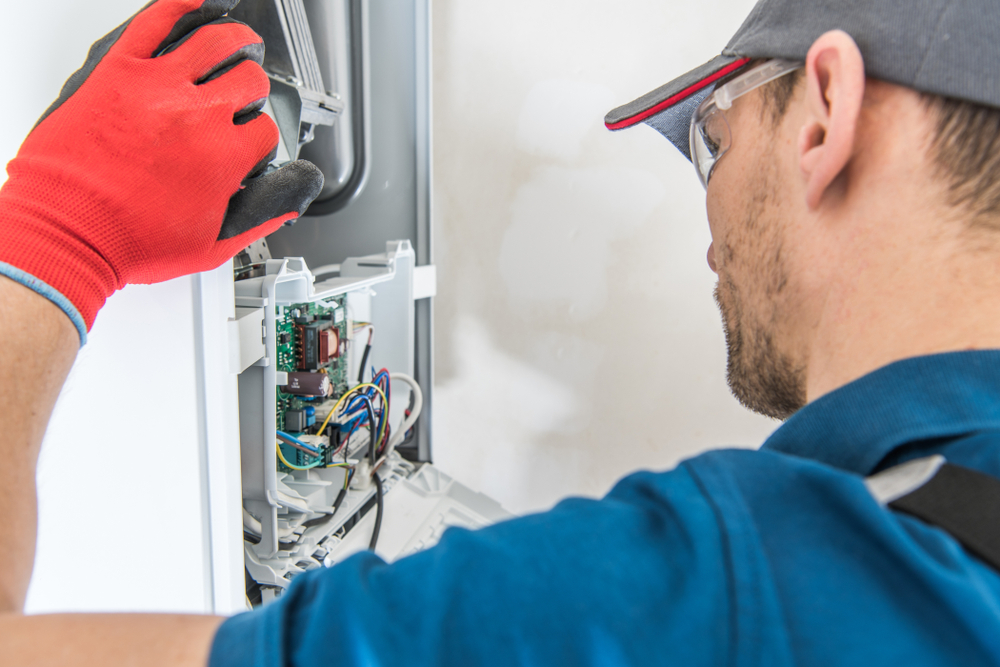
A furnace is one of the most important systems in a home, especially during colder months when indoor comfort depends on consistent heating. Many homeowners assume their furnace will keep running smoothly year after year, but like any mechanical system, it can develop problems over time. The challenge is that furnace issues often begin with subtle warning signs that are easy to overlook.
Ignoring these early signals can lead to higher energy bills, unexpected breakdowns, and expensive repairs. By understanding the common signs that indicate furnace trouble, homeowners can address issues before they escalate. Recognising these warning signals early not only protects your heating system but also helps maintain a comfortable and safe living environment.
How a Furnace Works and Why Maintenance Matters
A furnace operates by heating air and distributing it throughout the home using a system of ducts and vents. The thermostat signals the furnace when the indoor temperature drops below the desired level, prompting the system to ignite and warm the air before circulating it through the house.
Several internal components work together to make this process efficient. The heat exchanger generates warmth, the blower motor pushes heated air through the ducts, and the air filter removes dust and debris from the airflow. When any of these parts become dirty, worn, or damaged, the system must work harder to produce the same level of heat.
Regular maintenance keeps these components functioning properly. Routine inspections help identify worn parts, blocked airflow, or minor mechanical problems before they affect overall performance. A well-maintained furnace runs more efficiently, consumes less energy, and typically lasts longer than a neglected system.
Unusual Noises Coming From the Furnace
Furnaces normally operate with a low, steady hum. When unusual sounds begin to appear, they often signal mechanical issues that require attention. Ignoring these noises can allow small problems to develop into larger repairs.
Banging or popping sounds may indicate expanding ductwork or delayed ignition within the furnace. Screeching or squealing noises often come from worn blower belts or motor bearings. Rattling sounds may suggest loose internal components or debris within the system.
While some noises may seem minor at first, they rarely resolve on their own. Addressing the cause early helps prevent further damage and ensures the heating system continues to operate safely.
Weak or Uneven Heating Throughout the Home
One of the most noticeable warning signs of furnace trouble is uneven heating. Some rooms may feel warm and comfortable while others remain cold, even when the thermostat is set correctly.
Several factors can contribute to this problem. Blocked air vents, clogged filters, or malfunctioning blower motors can all restrict airflow. In some cases, the furnace itself may struggle to generate enough heat due to aging components or internal wear.
When airflow or heating output declines, professional inspection becomes important. Scheduling furnace services allows technicians to evaluate the system, check for airflow restrictions, and identify components that may need repair or replacement.
Rising Energy Bills Without Increased Usage
Another warning sign that often goes unnoticed is a steady increase in heating costs. When a furnace begins to lose efficiency, it must run longer to maintain the same indoor temperature. This extra workload results in higher energy consumption and rising utility bills.
Dirty filters are a common cause of reduced efficiency. When filters become clogged with dust and debris, airflow decreases and the furnace must work harder to circulate warm air. Over time, worn mechanical parts can also reduce efficiency and increase operating costs.
Routine maintenance and timely inspections help identify these efficiency problems before they become costly. Professional furnace services can uncover underlying issues such as restricted airflow, failing components, or thermostat calibration problems that affect system performance.
Frequent Cycling or Constant Running
A healthy furnace typically runs in controlled cycles, turning on to heat the home and shutting off once the desired temperature is reached. When the system begins turning on and off repeatedly or running continuously, it often signals an underlying problem.
Frequent cycling can occur when the thermostat is malfunctioning or incorrectly positioned. Airflow restrictions caused by clogged filters or blocked vents can also cause the system to overwork. In some homes, the furnace may simply be the wrong size for the space, forcing it to run more frequently than necessary.
Constant operation places additional strain on internal components, which can shorten the life of the furnace. Identifying and correcting the root cause helps restore balanced operation and prevents unnecessary wear.
Strange Smells When the Furnace Turns On
Many homeowners notice a slight burning smell when the furnace starts after a long period of inactivity. This usually occurs when dust burns off internal components and typically disappears within a short time.
However, persistent or unusual odours may indicate more serious problems. Musty smells can suggest moisture buildup or mould growth within the ductwork. A strong burning odour may point to overheating components or electrical issues. Gas-like smells require immediate attention, as they may indicate a leak or combustion problem.
If unusual smells continue after the furnace has been running for a while, it is important to stop using the system and seek professional inspection. Early intervention helps ensure both safety and system reliability.
The Importance of Annual Furnace Inspections
Preventive maintenance remains one of the most effective ways to protect a home’s heating system. Annual furnace inspections allow technicians to evaluate system performance, clean essential components, and identify signs of wear before they cause breakdowns.
During a routine inspection, professionals typically examine the heat exchanger, burners, airflow system, and thermostat calibration. They may also clean internal parts, check electrical connections, and ensure that ventilation pathways remain clear.
Regular furnace services not only improve efficiency but also help detect safety concerns such as cracked heat exchangers or ventilation issues. These inspections provide peace of mind and help ensure the heating system remains reliable when temperatures drop.
Conclusion
Furnaces rarely fail without warning. In most cases, the system begins to show subtle signs that something is not functioning as it should. Strange noises, uneven heating, rising energy bills, and unusual smells all signal that the furnace may require attention.
Recognising these symptoms early allows homeowners to address problems before they turn into major repairs or complete system failures. Regular maintenance and professional inspections play a vital role in keeping heating systems safe, efficient, and dependable.
When these warning signs appear, arranging professional furnace services can help restore proper operation, improve efficiency, and ensure that the home remains warm and comfortable throughout the heating season.

Comments are closed.