

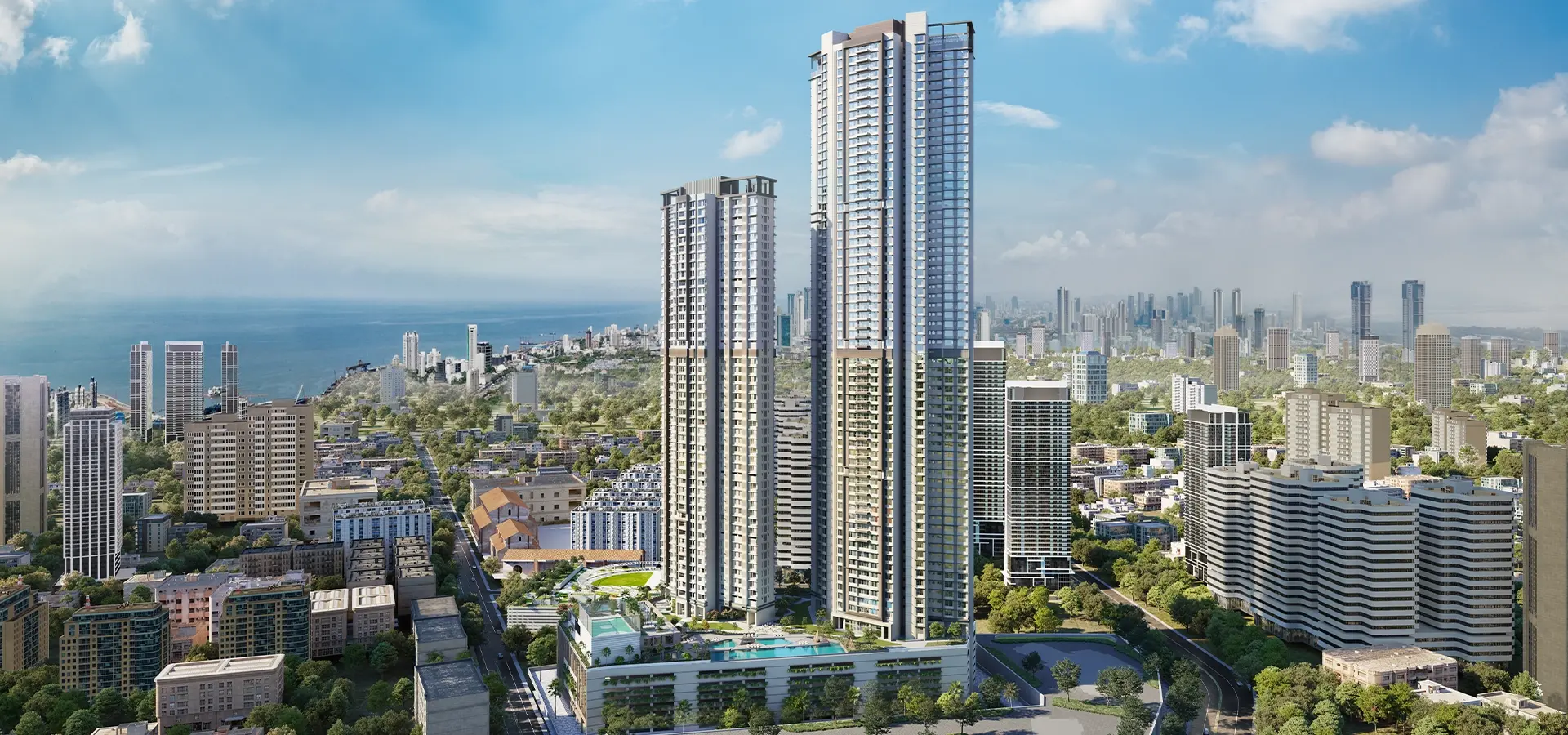
Buying a home is an important financial decision, especially when you are looking at a premium location in Mumbai. With several residential projects offering different configurations, amenities, locations, and pricing structures, comparing them carefully can help you choose a home that suits your lifestyle and long-term plans. Instead of focusing only on the appearance of a project, buyers should consider several practical factors before making a decision.
When exploring property in mahalaxmi, it is important to compare residential projects based on location, apartment configuration, construction quality, amenities, connectivity, and overall value. Mahalaxmi is known for its central location and access to important parts of Mumbai, making it attractive to homebuyers looking for convenience and a well-connected urban lifestyle. A detailed comparison can help you understand which project matches your needs and budget.
1. Compare the Location and Connectivity
Location should be one of the first factors you compare. Even within the same area, two residential projects can offer different levels of convenience depending on their exact surroundings.
Check the distance from major roads, railway stations, metro connectivity, workplaces, schools, hospitals, shopping areas, and entertainment destinations. Consider your daily travel requirements and how easily you can reach important parts of Mumbai.
A project with convenient connectivity can also make everyday life easier and may remain attractive to future buyers or tenants.
2. Compare Apartment Configurations
Residential projects can offer different apartment sizes and configurations, such as 2 BHK, 3 BHK, and larger homes. Do not compare homes only by the number of bedrooms. Look at the actual carpet area, room sizes, balcony space, storage options, kitchen layout, and overall floor plan.
Think about your current family requirements as well as future needs. A home that provides enough usable space can offer better comfort over the years.
3. Check Construction Quality
The quality of construction is another important point when comparing projects. Ask about the materials used for flooring, doors, windows, fittings, electrical systems, plumbing, and other essential features.
You should also understand the project’s construction stage and expected possession timeline. Check the relevant project approvals and RERA details through official records before making a financial commitment.
A well-planned home should provide both attractive design and practical functionality.
4. Compare Amenities Carefully
Modern residential projects often provide a wide range of amenities. These may include swimming pools, fitness centres, landscaped gardens, walking tracks, children’s play areas, sports facilities, community spaces, and recreational areas.
However, more amenities do not automatically mean better value. Compare the facilities that you and your family are actually likely to use. Also consider maintenance requirements and the expected maintenance charges.
For families, facilities such as children’s play areas, green spaces, fitness zones, and community areas can add everyday convenience.
5. Evaluate Views, Floor and Natural Light
The floor you choose can influence your living experience and the overall cost of the apartment. Higher floors may provide better views and privacy, while lower floors can offer easier accessibility.
During a site visit, check the amount of natural light and ventilation available in the apartment. Also understand the direction of the apartment, surrounding buildings, noise levels, and the view from the windows.
These details can make a noticeable difference to your daily comfort.
6. Compare the Total Cost
The advertised property price is only one part of the total expense. Before comparing residential projects, understand the complete cost, including registration, stamp duty, parking, maintenance deposits, floor-rise charges, taxes, and other applicable costs.
Create a realistic budget and check whether the monthly home loan EMI fits comfortably within your income. A slightly higher-priced home may offer more usable space or facilities, while another project may provide a more suitable option at a lower overall cost.
7. Look at the Developer’s Track Record
The developer’s experience can also be an important factor. Research previous residential projects, construction quality, delivery history, customer feedback, and the overall reputation of the developer.
You should also verify project-related documents independently instead of relying only on sales information. This can help you make a more informed decision.
8. Think About Future Value
Your decision should not only be based on your present requirements. Consider how the neighbourhood may develop in the coming years. Improvements in roads, public transport, commercial spaces, social infrastructure, and other facilities can influence the attractiveness of a residential location.
When comparing property in mahalaxmi, think about both your lifestyle requirements and the property’s potential for future resale or rental demand.
Conclusion
Comparing residential projects requires more than checking prices and attractive brochures. Location, connectivity, apartment layout, construction quality, amenities, total cost, documentation, and future requirements should all be considered before making a decision. By creating a simple comparison checklist and visiting shortlisted projects personally, buyers can understand the differences more clearly. Whether you are purchasing your first home or planning a long-term investment, careful research can make your search for property in mahalaxmi more organised, practical, and rewarding.

Comments are closed.