

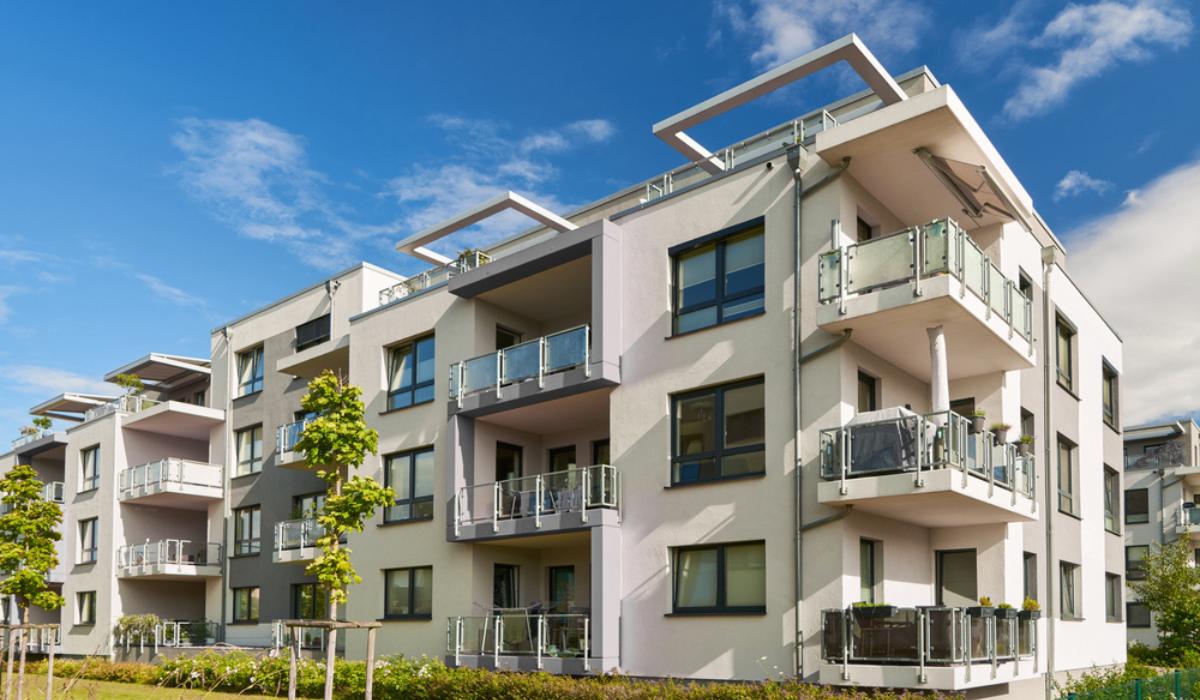
Introduction to Apartments
Apartments have become one of the most common housing choices in urban and suburban areas. Designed for convenience, efficiency, and community living, they cater to individuals, couples, families, and even seniors. Whether rented or owned, apartments provide a practical solution for people seeking well-planned residential spaces without the responsibilities of maintaining a standalone house.
What Is an Apartment?
An apartment is a self-contained residential unit that occupies part of a larger building. It typically includes essential living spaces such as bedrooms, a kitchen, a bathroom, and a living area. Apartments can be rented or owned and are usually managed by property owners or associations.
Types of Apartments
Apartments come in various forms to suit different lifestyles and budgets.
Studio Apartments
A studio apartment combines the living room, bedroom, and kitchen into a single open space, with a separate bathroom. These are ideal for single occupants or minimalists.
One-Bedroom and Two-Bedroom Apartments
These apartments provide separate bedrooms and living areas, making them suitable for couples, small families, or roommates.
Duplex and Triplex Apartments
Spread across two or three floors, these apartments offer more space and a layout similar to a house while remaining within a shared building.
Luxury Apartments
Luxury apartments feature high-end finishes, premium appliances, and amenities such as swimming pools, gyms, concierge services, and smart home technology.
Serviced Apartments
Often used for short-term stays, serviced apartments come fully furnished and include housekeeping, utilities, and sometimes meals.
Key Features of Apartment Living
Modern apartments are designed to enhance comfort and convenience.
-
Efficient layouts that maximize usable space
-
Shared amenities like parking, elevators, gyms, and gardens
-
Security features such as gated access and surveillance
-
Maintenance services handled by management
These features make apartments particularly attractive to busy professionals and families.
Benefits of Living in an Apartment
Apartment living offers several advantages over traditional housing.
-
Lower maintenance responsibilities, as repairs are usually managed by the building authority
-
Affordability, especially in prime urban locations
-
Community living, fostering social interaction
-
Access to amenities without owning or maintaining them individually
For many, apartments strike the right balance between comfort and practicality.
Potential Drawbacks to Consider
While apartments are convenient, they may not suit everyone.
-
Limited privacy compared to standalone homes
-
Restrictions on renovations or customization
-
Noise from neighboring units
-
Monthly maintenance or association fees
Understanding these factors helps in making an informed decision.
Renting vs. Buying an Apartment
Choosing between renting and buying depends on personal goals and finances.
Renting an Apartment
Renting offers flexibility and lower upfront costs, making it ideal for people who relocate frequently or prefer minimal long-term commitments.
Buying an Apartment
Buying provides stability and the opportunity to build equity over time. It is often seen as a long-term investment, especially in growing real estate markets.
Factors to Consider Before Choosing an Apartment
Before making a decision, evaluate these essential aspects:
-
Location and proximity to work, schools, and transport
-
Budget, including rent or mortgage and maintenance charges
-
Size and layout suitable for your lifestyle
-
Building reputation and management quality
-
Future resale or rental potential
Careful consideration ensures satisfaction and value in the long run.
Frequently Asked Questions (FAQs)
What is the difference between an apartment and a condominium?
An apartment is usually rented, while a condominium is typically owned by an individual, even though both may look similar in structure.
Are apartments a good long-term investment?
Apartments can be a solid investment, especially in high-demand locations, but returns depend on market trends and maintenance costs.
Do apartments have rules and regulations?
Yes, most apartments follow building or association rules covering noise levels, pets, renovations, and use of shared spaces.
Can apartments be customized or renovated?
Minor changes are often allowed, but major renovations usually require approval from the building management or association.
Are apartments suitable for families?
Many apartments are family-friendly, offering multiple bedrooms, play areas, and proximity to schools and parks.
How do maintenance charges work in apartments?
Maintenance charges are typically paid monthly or annually and cover common area upkeep, security, and amenities.
Is apartment living environmentally friendly?
Apartments often have a smaller environmental footprint due to shared resources, energy efficiency, and reduced land use.

Comments are closed.