

Adding a new room is an exciting way to create more living space without moving to a new home. Whether you’re building a home office, finishing a basement, converting a garage, or adding a guest bedroom, one important detail is often overlooked until construction is nearly complete: how the new space will be heated and cooled. A beautiful addition won’t feel comfortable if it’s too hot during the summer or too cold in the winter.
Planning your heating and cooling system early can help you avoid comfort issues and expensive modifications later. Every room addition is different, so the best solution depends on factors such as the size of the space, your home’s existing HVAC system, and how the room will be used. Many homeowners choose ductless mini splits for additions because they provide year-round comfort without the need to extend existing ductwork.
Why Heating and Cooling Should Be Part of Your Renovation Plan
Many homeowners focus on flooring, paint colors, lighting, and furniture when planning a room addition, but heating and cooling deserve just as much attention. If climate control isn’t considered from the beginning, you may end up with a beautiful new room that’s uncomfortable to use during parts of the year.
Adding a new space also changes the heating and cooling demands placed on your home. Your existing HVAC system was originally designed for a certain amount of square footage. Depending on the size and layout of the addition, it may not be able to maintain comfortable temperatures throughout the expanded home without additional planning.
Common Heating and Cooling Options for Room Additions
Several heating and cooling solutions can work well for a home addition. The right choice depends on your home’s layout, budget, and long-term comfort goals.
Some of the most common options include:
- Extending your existing ductwork
- Installing a ductless mini split system
- Adding electric baseboard heaters
- Using portable heating or cooling units
- Installing a separate HVAC system for the new space
- Adding radiant floor heating in certain rooms
Each option has its own advantages, so it’s important to choose a solution that fits both your home and the way you plan to use the new room.
Extend Your Existing HVAC System
One option is connecting the new room to your home’s existing heating and cooling system. This approach may seem straightforward, especially if the addition is located close to existing ductwork.
However, extending ducts isn’t always the best solution. Your current HVAC system was designed to heat and cool a specific amount of space. Adding another room may reduce overall efficiency if the equipment isn’t large enough to handle the increased demand.
Before extending ductwork, it’s important to have the system evaluated to determine whether it can comfortably support the additional square footage.
Consider a Ductless Mini Split System
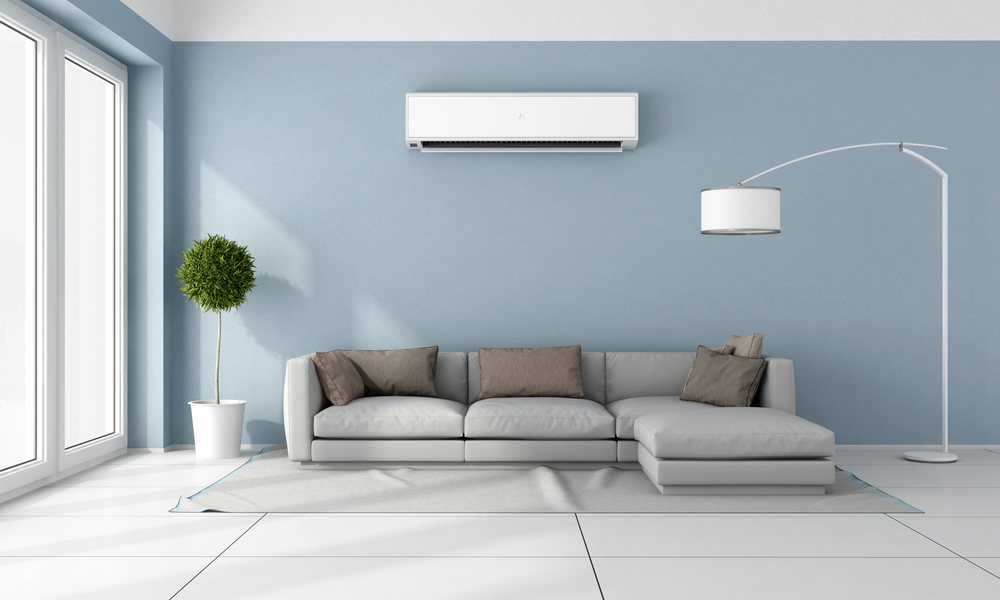
Ductless mini splits have become one of the most popular options for home additions because they don’t require traditional ductwork. Instead, they use an indoor air-handling unit connected to an outdoor unit through a small opening in the wall.
This makes installation less disruptive than adding new ducts throughout the home. It also allows homeowners to control the temperature in the new room independently from the rest of the house.
Whether you’re adding a sunroom, garage conversion, guest suite, or home office, a ductless system offers a practical solution for maintaining year-round comfort.
Think About How the Room Will Be Used
Not every room addition has the same heating and cooling needs. A bedroom occupied every night may require different temperature settings than a hobby room that’s only used occasionally. Likewise, a home office may need consistent comfort throughout the workday, while a guest room may only be occupied a few weeks each year.
Before choosing a heating and cooling system, consider:
- How often the room will be used
- The number of people who will occupy it
- Whether the room receives direct sunlight
- The size of the space
- Ceiling height
- Window placement
- Existing insulation
Answering these questions helps determine which solution is likely to provide the best long-term comfort.
Don’t Forget About Energy Efficiency
Comfort is important, but energy efficiency should also be part of the decision-making process. Choosing the right heating and cooling solution can help prevent unnecessary energy use while keeping utility bills under control.
Proper insulation, energy-efficient windows, and a correctly sized HVAC system all contribute to better performance. If the heating and cooling equipment is too small, it may struggle to maintain comfortable temperatures. If it’s oversized, it may cycle on and off too frequently, reducing efficiency.
Planning these details during construction often produces better results than trying to make adjustments later.
Professional Installation Makes a Difference
Even the best heating and cooling equipment won’t perform properly if it’s installed incorrectly. Professional installation helps ensure that the system is properly sized, correctly positioned, and operating as intended.
An HVAC professional can evaluate your home’s layout, calculate heating and cooling requirements, and recommend the most appropriate solution based on the room’s design. They can also identify factors such as insulation, airflow, and ventilation that influence long-term comfort.
Working with a qualified installer helps homeowners avoid costly mistakes while improving overall system performance.
Plan for Long-Term Comfort
A room addition is a long-term investment, so it’s worth thinking beyond today’s immediate needs. Consider how the space may be used in the future and whether your heating and cooling solution will continue meeting those needs as your family and lifestyle change.
Choosing flexible, reliable climate control now can help ensure the room remains comfortable for many years, whether it eventually becomes a nursery, guest suite, office, or entertainment space.
Planning ahead often results in fewer modifications later while making the new addition more enjoyable throughout every season.
In Conclusion
A successful room addition is about more than adding extra square footage. It’s about creating a comfortable living space that can be enjoyed year-round. Taking the time to plan your heating and cooling system during the renovation process helps ensure the new room feels just as comfortable as the rest of your home.
Whether you extend your existing HVAC system or choose another solution, considering factors such as room size, insulation, energy efficiency, and future use will help you make an informed decision. With the right planning and professional guidance, your new addition can provide lasting comfort while fitting seamlessly into the rest of your home.

Comments are closed.