

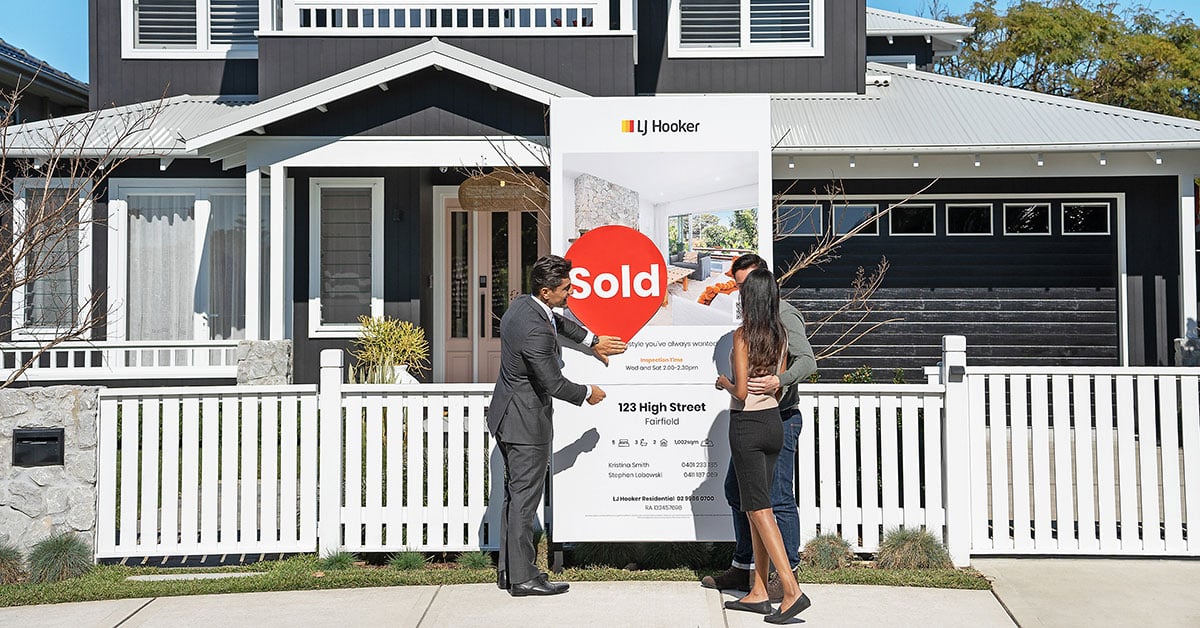
Selling a house is a significant financial and personal decision. Whether you’re moving for work, upgrading your lifestyle, or downsizing, understanding the house selling process helps you stay in control, avoid unnecessary stress, and maximize your return. This guide breaks down each step in a clear, practical way so you can sell with confidence.
Understanding the House Selling Process
House selling involves several interconnected stages, each playing a critical role in the final outcome. From preparing the property to handing over the keys, every choice you make influences buyer perception and sale value.
A well-executed sale relies on:
-
Accurate pricing
-
Strong presentation
-
Effective marketing
-
Skilled negotiation
Skipping or rushing any step can lead to longer listing times or reduced offers.
Preparing Your Home for Sale
First impressions matter more than many sellers realize. Buyers often decide how they feel about a property within minutes, making preparation a key factor in successful house selling.
Declutter and Depersonalize
Remove excess furniture, personal photos, and decorative clutter. A clean, neutral space allows buyers to imagine themselves living in the home.
Handle Repairs and Maintenance
Fix visible issues such as leaking faucets, damaged paint, broken fixtures, or squeaky doors. Small repairs signal that the home has been well cared for.
Boost Curb Appeal
The exterior sets the tone before buyers even step inside. Simple improvements can include:
-
Fresh landscaping
-
A clean driveway
-
Repainted front door
-
Well-lit entryway
Pricing Your Home Correctly
Pricing is one of the most critical decisions in house selling. Overpricing can discourage buyers, while underpricing may leave money on the table.
Research Market Value
Compare recent sales of similar homes in your area. Pay attention to location, size, condition, and upgrades.
Avoid Emotional Pricing
Your memories and experiences don’t add market value. Buyers focus on features, condition, and price competitiveness.
Consider Professional Valuation
A real estate agent or certified appraiser can provide data-backed pricing insights that reflect current market trends.
Marketing Your Property Effectively
Strong marketing ensures your home reaches the right buyers at the right time.
Key elements of effective house selling marketing include:
-
Professional photography
-
Clear and compelling property descriptions
-
Online listings across major platforms
-
Open houses and private showings
High-quality visuals and honest descriptions build trust and increase buyer engagement.
Negotiating Offers with Confidence
Once offers arrive, negotiation becomes the focus. This stage determines not only price but also terms and timelines.
Review More Than Just Price
Evaluate:
-
Financing strength
-
Contingencies
-
Proposed closing date
-
Earnest money amount
Stay Flexible but Firm
Some flexibility can help close the deal, but know your minimum acceptable terms before negotiations begin.
Counter Strategically
A counteroffer keeps the conversation moving and often leads to mutually beneficial outcomes.
Closing the Sale Smoothly
The closing phase finalizes the transaction and transfers ownership to the buyer. This step includes inspections, appraisals, final paperwork, and fund transfers.
To ensure a smooth closing:
-
Respond promptly to document requests
-
Address inspection issues quickly
-
Confirm closing costs and timelines in advance
Once all conditions are met, the sale is completed and proceeds are released.
Common Mistakes to Avoid When Selling a House
Even experienced sellers can make avoidable mistakes that impact results.
Common pitfalls include:
-
Ignoring market conditions
-
Overpricing the property
-
Neglecting repairs
-
Limiting showing availability
-
Letting emotions influence decisions
Avoiding these issues improves both speed and profitability.
FAQ: House Selling Questions Answered
How long does it usually take to sell a house?
The timeline varies based on location, pricing, and market demand, but most homes sell within 30 to 90 days when priced correctly.
Should I sell my house before buying a new one?
This depends on your financial flexibility and market conditions. Selling first reduces risk but may require temporary housing.
Do I need a real estate agent to sell my house?
While not mandatory, an agent provides pricing expertise, marketing reach, and negotiation skills that often lead to better outcomes.
What documents are required for house selling?
Common documents include the property deed, disclosure forms, inspection reports, and closing statements.
Can I sell my house as-is?
Yes, selling as-is is possible, but it may attract fewer buyers or lower offers compared to a move-in-ready home.
How much should I budget for selling costs?
Selling costs often range from 6% to 10% of the sale price, including agent commissions, closing fees, and repairs.
What makes a house more appealing to buyers?
Cleanliness, neutral design, good lighting, realistic pricing, and strong online presentation significantly boost buyer interest.

Comments are closed.